
Review · WAIHEKE ISLAND DAY TRIPS
Waiheke Island History and Heritage Tour
A day on Waiheke gets way better when history has a living voice. This tour mixes sea views with a Māori-led perspective, plus a native bush walk and a hike to a pa site with archaeological remains. One consideration: it is a guided walking day, so bring good shoes and be ready for uneven paths.
I like the way the day is paced, starting with an island orientation and then shifting into deeper context, including carving and traditional tattooing, language revitalization, and the impact of colonisation. The small group size (max 12) helps a lot, and the guide can tailor parts of the route to your pace, like one group report did with guide Justine. The other thing to plan for is that the ferry and lunch are not included in the tour price, so budget for those when you add up the real cost.
Key highlights you will feel from the first hour
- Meet the day at Matiatia with an island orientation built around Hauraki Gulf and Pacific views
- Māori community focal point visit focused on carving, traditional tattooing, language revitalisation, and colonisation
- Native bush walk with practical plant knowledge plus a good chance to spot native birds like tui, kereru, and piwakawaka
- Summit pa site walk with kumara pits, shell middens, and defensive terraces
- Small group energy with a max of 12 travelers, so questions do not get lost
Still on island time? More Waiheke days
- Waiheke island Wine Tours – PREMIUM wine tasting MAX 11 clients !★ 5.0 · 1,378 reviews
- Waiheke Island Premium Wine Tour with Tastings★ 5.0 · 504 reviews
- Taste of Waiheke Food and Wine Tour★ 4.5 · 465 reviews
- WAIHEKE ZEITGEIST Small Groups Ultra Boutique Off Grid Wine Tours★ 5.0 · 333 reviews
Orientation from the wharf, where Waiheke makes sense fast
The day begins at the Fullers360 Matiatia ticket office, so you start in the right place, not halfway across the island. At 9:45 am, you get an orientation that’s heavy on views and light on wasted time. You look out over the Hauraki Gulf, and on a clear day you can also take in Auckland City and the wider Pacific.
This matters because Waiheke can feel like a string of towns and coastlines when you arrive on your own. A good orientation helps you understand where you are, why the land was important, and how the community sites connect to that coastline. You also get the fun part early, sea air and photo angles, before the walking begins.
Oneroa stops and the beach-and-town rhythm you can actually use
The tour focuses on Oneroa as a starting point, and you get to experience the island through its main village feel rather than just passing viewpoints. Oneroa is where you can blend local life with a beach break, and it helps that this tour has you in the right flow at the right time.
Even if you do not plan to shop, I like having time where you can read the island’s pace. Waiheke’s streets and shorelines feel different once you have already had that orientation, and you’ll notice how quickly people adapt to the terrain, hills, and coastline.
One small caution: because the day is designed to connect multiple walking and cultural stops, you may not get a long, slow wander through town. If you love pure free time, you might want to plan for a bit of solo exploring either before the tour or after you return.
Piritahi Marae and the meaning behind carving, tattooing, and language
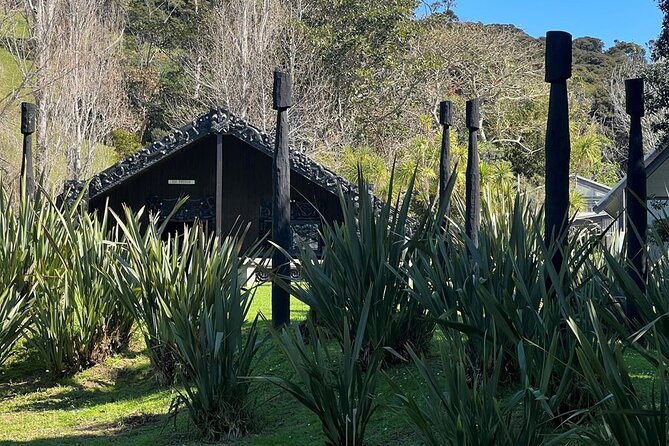
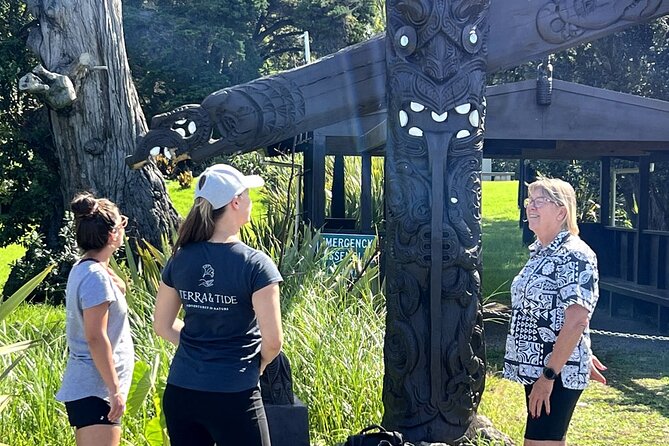
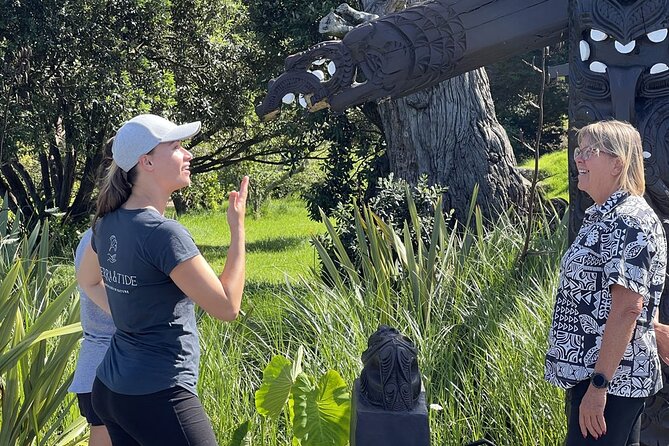
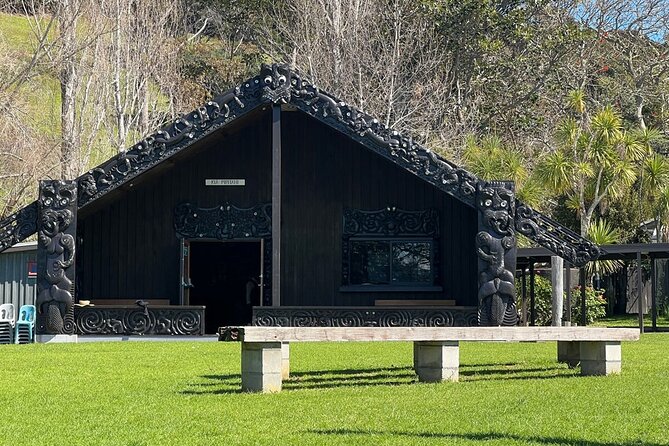
A major part of the day is visiting the focal point of the Māori community on Waiheke. The focus here is not a generic cultural stop, it is a story-based route. You hear about the significance of carving and traditional tattooing, the revitalisation of Māori language, and the impact of colonisation on Māori people.
This is one of the most praised parts of the experience for a reason. You are not just seeing something old and moving on. You are being guided through how cultural knowledge was carried, disrupted, and then strengthened again through language and tradition. That makes the rest of the day feel more grounded, especially when you later walk archaeological remains and native bush.
Practical tip: when you visit places like this, ask your guide what questions they recommend. A good guide will know what to share in a way that respects the community and keeps the information clear.
More of the story behind the streets
Native bush walk, medicinal plant stories, and bird spotting
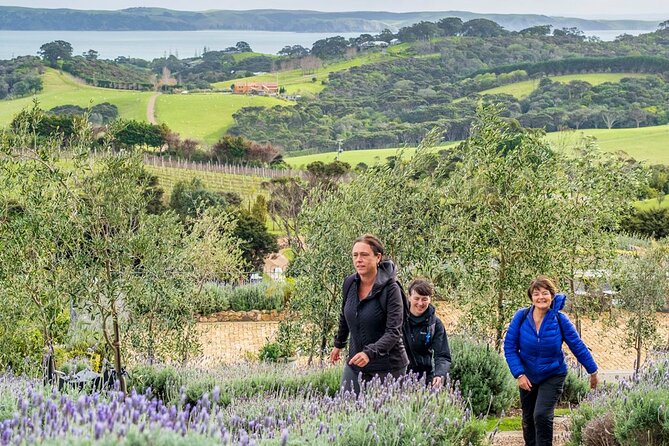
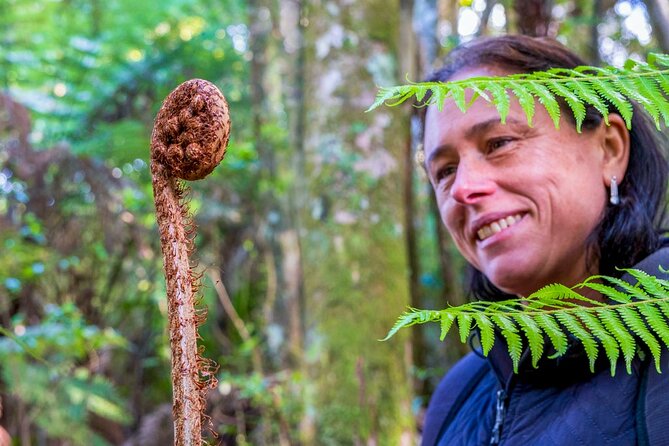
After the cultural focus, the tour shifts into nature with a guided walk through native bush. This is where you get the “why” behind plant names, with your guide explaining traditional and medicinal uses of native plants.
The value here is simple. A self-guided walk turns into scenery. A guided bush walk turns into meaning. You start noticing details, not just trees and ground cover. And because the guide is watching for wildlife, you have a chance to see native birds like tui, kereru, and piwakawaka.
You will want to dress for this part. Even in comfortable weather, bush walks can mean damp ground, shade, and sudden sun breaks. Wear shoes that can handle uneven footing and consider a light layer you can put on if the breeze picks up.
Pa site summit and the archaeology you can picture with your feet
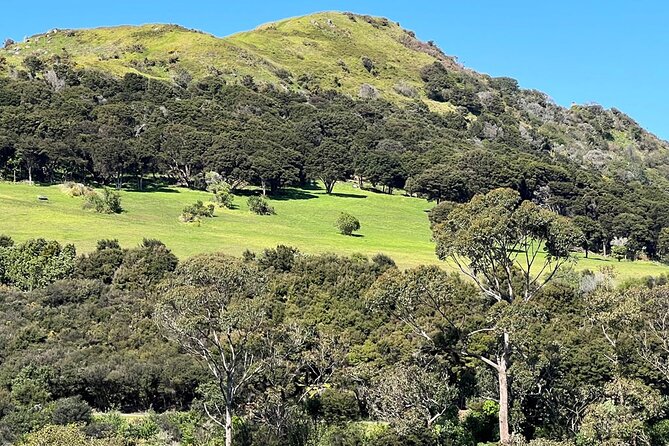
One of the strongest moments on this tour comes when you reach the summit of a pa (fortified village) site with archaeological remains. You are looking at kumara pits, shell middens, and defensive terraces, and the route is paced so you can actually take in what you are seeing instead of racing past it.
What I like about this stop is how physical it feels. When you walk to the summit and see terraces and pits in place, the site stops being abstract. You start to understand why people chose these spots, and how the land itself supported daily life and safety.
A reasonable expectation: this section is active. Even if the tour says most travelers can participate, you should assume a hike to a summit and careful walking around archaeological features. If you have knee issues or fatigue fast, tell your guide early so they can help you pace it.
Lunch break at a local cafe, and how to manage the cost
There is a lunch stop at a local cafe, with food and coffee available. The important budget detail is that lunch is not included in the tour price, so plan to pay for your own meal.
I actually think this works in your favor. You can choose what you want based on your appetite and dietary needs, rather than being locked into one meal option. Just do not forget that you are paying for lunch on top of the ferry, and that is where the final day budget can surprise people.
If you like to keep things simple, carry a card and some cash as backup. Small cafes and island businesses sometimes run on that.
Ferry timing, getting dropped near Oneroa, and keeping your day on track
The tour is designed to end with you back in time for the return 4pm ferry. If you would rather stay longer on Waiheke, you can be dropped in Oneroa and make your own way back to the ferry by either a 15 minute walk or a short bus ride.
This is the part you should plan around if you are also doing other activities on the island. Build in buffer time for getting from the tour drop-off area to where you need to be for ferry boarding. Also, note that the day ends back at the meeting point unless you choose the Oneroa drop.
A small practical win: having a fixed ferry target keeps the route from feeling endless. You get a full, meaningful half day and still have options for later.
Price and value: what you pay for on Waiheke
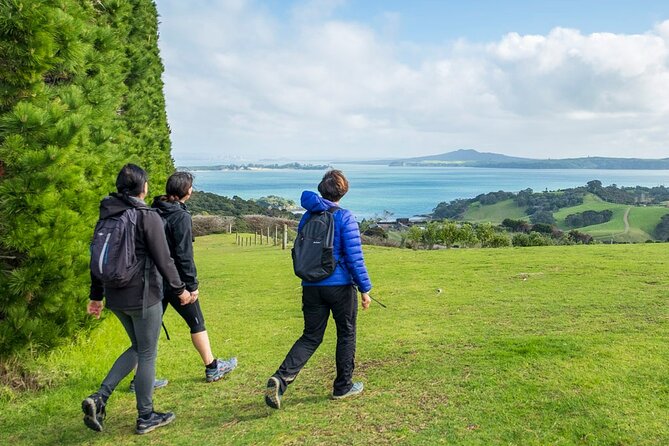
The tour costs $381.65 per person and runs for about 6 hours. It is typically booked around 66 days in advance, and the tour uses a mobile ticket.
What you are paying for is not just sightseeing. The included item is an expert local guide, and that guide is doing the heavy lift: sea and island orientation, Māori community storytelling, a native bush walk with traditional plant uses, and a walk to a pa site with archaeological remains. That interpretation is the value. On Waiheke, you can certainly drive yourself around, but you cannot easily recreate the context, the pacing, and the on-the-ground explanations.
Two things affect your total spend:
- Ferry tickets are not included, and you can purchase them from the operator for $42 per adult return.
- Lunch is not included, so you will pay for your cafe meal.
Also, the tour notes that wine and olive oil tasting are not included. If you are the type who wants tastings as part of the day, budget extra or ask the guide how you can fit tastings around your route and time.
In short: if you want history with a living, Māori perspective plus nature walking, the price can feel fair. If you only want views and beaches and plan to spend most of your time on your own, you may find a cheaper approach works.
Who this tour suits best, and who might want a different plan
This is a strong fit if you care about Māori history and heritage, and you want it taught through place, not just from a brochure. It also suits you if you like nature walks and want a guide who explains native plants and wildlife chances rather than calling it a photo stop.
It is also a good match if you enjoy small groups. With a maximum of 12 travelers, the day feels like a shared walk with room for questions. That is the kind of setting where a guide can tailor parts of the route to your needs, like one reported day with guide Justine.
Consider a different plan if:
- You want zero walking and mostly flat time.
- You are mainly shopping or doing tastings and want those included in the price.
- You plan to rely on the island for meals and snacks but want everything pre-paid.
Should you book Terra and Tide’s Waiheke history tour?
Yes, if you want your Waiheke day to feel meaningful as well as scenic. The combination of sea orientation, Māori community focus, native bush plant knowledge, and a pa site summit gives you a full story arc in one half-day.
If you book, go in ready to walk, and bring the mindset of learning rather than just collecting photos. Budget for the ferry and lunch, and you will avoid that end-of-day sticker shock.
FAQ
Where does the tour start?
It starts at the Fullers360 Matiatia ticket office, 1 Ocean View Road, Oneroa, Auckland 1081, New Zealand.
When does the tour start?
The start time is 9:45 am.
How long is the Waiheke Island History and Heritage Tour?
It is approximately 6 hours.
Is the ferry included in the price?
No. Ferry to and from Waiheke Island is not included. Tickets can be purchased from the provider for $42 per adult return.
What is included in the tour price?
The tour includes an expert local guide.
Is lunch included?
Lunch is not included. There is a lunch at a local cafe during the day.
How big is the group?
The tour has a maximum of 12 travelers.
Is this tour mobile ticket based?
Yes, it uses a mobile ticket.
Can I cancel for a full refund?
Yes, you can cancel up to 24 hours in advance for a full refund.
Are service animals allowed?
Yes, service animals are allowed.
More Tours in Waiheke Island


More Tour Reviews in Waiheke Island
Waiheke, Ferry to Ferry
Newest Waiheke Island tours to reach the site
- Heke Brewery and Distillery Tour in Waiheke Island with samples
★ 4.5 · 3 reviews - Waiheke Island: Premium Vineyard, Wine Tasting and Bush Walk
★ 5.0 · 4 reviews - Waiheke Island Private Tours
★ 5.0 · 4 reviews - Private Maori Walking Tour with Wine Tasting and Lunch
★ 5.0 · 4 reviews - High End Sommelier Tour on Waiheke Island
★ 5.0 · 3 reviews - 2.5 Hours Wine Tour in Waiheke Island for Cruise Ship Travelers
★ 5.0 · 4 reviews
Waiheke Island Day Trips, compared.
 ★ 4.6Waiheke Island: Ferry & Hop-On Hop-Off Explorer Bus TicketsFrom $593,311 reviews
 ★ 5.0Waiheke island Wine Tours – PREMIUM wine tasting MAX 11 clients !From $1551,378 reviews
 ★ 4.7From Auckland: Waiheke Island Wineries’ TourFrom $110934 reviews
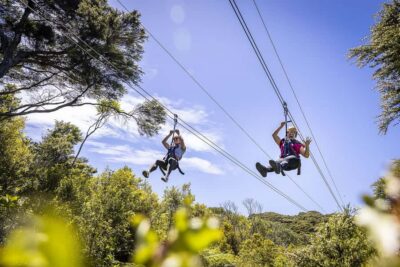 ★ 4.9Waiheke Island: Zipline and Native Forest Adventure TripFrom $89695 reviews
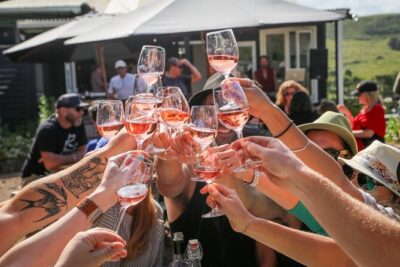 ★ 5.0Waiheke Island Premium Wine Tour with TastingsFrom $111504 reviews
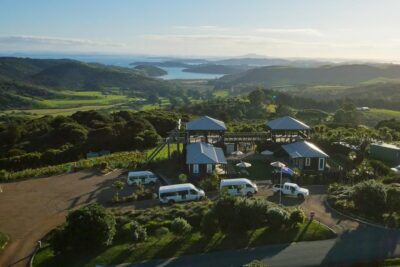 ★ 5.0Waiheke Island: Zipline And Forest WalkFrom $92483 reviews
 ★ 4.5Taste of Waiheke Food and Wine TourFrom $179465 reviews
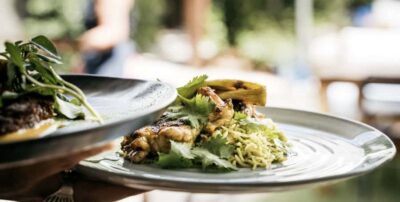 ★ 4.9Waiheke Island: Wine Tour & Lunch at Award Winning VenueFrom $170370 reviews
Where else this tour turns up