
Review · AUCKLAND NATURE & KIWI SPOTTING
Auckland Dolphin and Whale Watching Eco-Safari Cruise
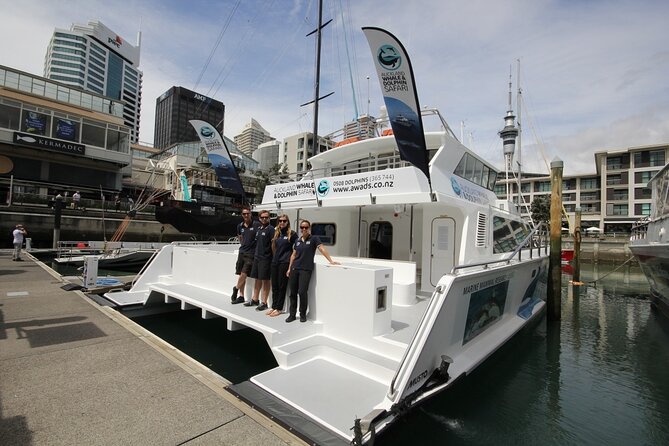
Whales are wild here, and the hunt is fun. This 4.5-hour Auckland dolphin and whale watching eco safari takes you out of Viaduct Harbour on a 65-foot catamaran and into the Hauraki Gulf Marine Park, where the onboard team looks for several marine species and explains what they are doing as they go.
I like that the commentary comes from marine research scientists and partners, not just a generic script. You also get a front-row look at island scenery around Auckland, plus the chance to see dolphins close to the boat during the most active parts of the cruise.
One drawback to plan for: wildlife sightings, especially whales, are never guaranteed in the wild. You can still have a great trip, and you should think of this as a research-focused safari with a strong shot at dolphins, not a whale guarantee.
Key things that make this eco safari worth your time
- Marine research scientists onboard sharing what they are tracking in real time
- A custom-built 65-foot catamaran designed for steady viewing from multiple decks
- Hauraki Gulf Marine Park focus with five marine preserves and lots of island scenery
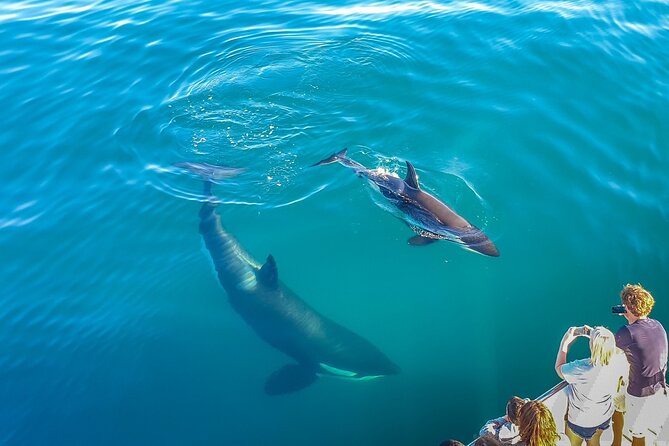
- Seasonal sightings you can actually prepare for, including Bryde’s whales and bottlenose dolphins
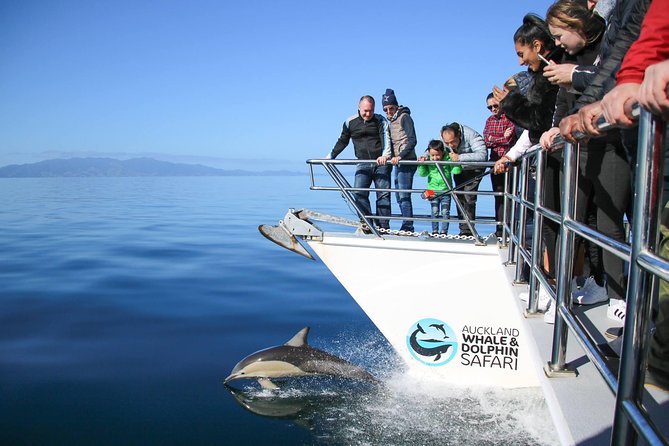
- Dolphins often provide the best action, with pods sometimes looping near the boat
- If you miss marine mammals, you can go again another day at no extra charge
Where else the wildlife turns up
- Auckland Dolphin and Whale Watching Eco-Safari Cruise★ 4.5 · 1,790 reviews
- Afternoon Piha Beach and Rainforest Tour from Auckland★ 5.0 · 807 reviews
- Waiheke Island: Zipline and Native Forest Adventure Trip★ 4.9 · 695 reviews
- Waitakere Ranges Wilderness Experience Tour from Auckland★ 4.8 · 340 reviews
Getting to Viaduct Harbour and the 65-foot catamaran setup
This tour starts in downtown Auckland at the Viaduct Harbour area. You meet at the New Zealand Maritime Museum, then board a custom-built 65-foot (about 20-meter) catamaran. That vessel size matters. A catamaran generally helps with stability compared to smaller boats, and it gives you more space to spread out and scan the water.
The tour runs about 4 hours 30 minutes, and the pace is built around finding wildlife without feeling rushed. You do not just stare in one direction the entire time. The captain and guides move you through different parts of the Hauraki Gulf area, based on sightings and what the research team is watching for.
Two practical notes that make a difference:
- Check-in closes 15 minutes before departure. Seats are allocated, so being late can cost you.
- Pack for changing conditions. Auckland marine weather can shift fast, and you’ll be outside for long stretches while you look for seabirds and marine mammals.
Hauraki Gulf Marine Park, what the crew looks for and why it matters
The heart of this experience is the Hauraki Gulf Marine Park, one of the most biologically diverse marine areas in the world. The crew frames it like a living system, not a postcard. They explain how the marine preserves and islands create different feeding and travel routes for seabirds and sea mammals.
What you get onboard is part education, part active search. The captain and guides talk through:
- What kinds of whales and dolphins they are watching for on that specific day
- How local marine research partnerships shape what they track
- How they interpret behavior when they spot activity on the water
The tour description also gives you specific targets that help your viewing. For dolphins, you are looking for frequently spotted pods of bottlenose dolphins. For whales, Bryde’s whales are called out as part of what the crew may track. That kind of naming is actually useful. When you know what you’re trying to identify, you pay closer attention to blow shape, movement style, and surfacing patterns, instead of just hoping you notice something.
And it is not only mammals. The team helps you scan for rare seabirds you may see soaring or plunging into the sea, including Australasian gannets, petrels, shearwaters, and white-fronted terns. If you’re hoping for a penguin moment, be ready for the possibility of blue penguins too.
Wildlife odds: dolphins are the reliable star, whales take patience
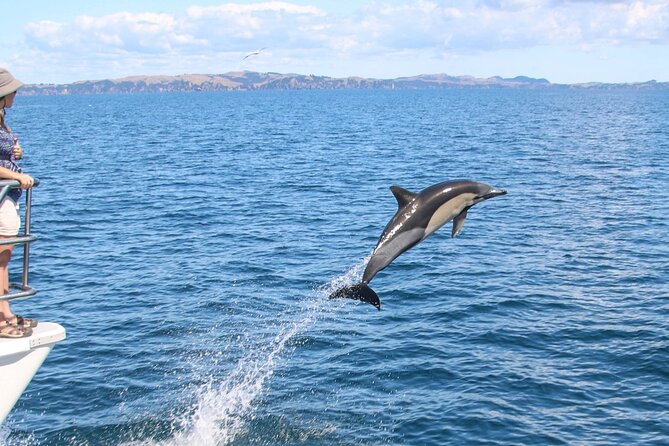
Here’s the honest way to think about wildlife watching in Auckland. Dolphins are the species you can most reasonably expect to see. You are in an area where the tour operators commonly locate active pods, and the experience is designed around that reality.
Whales are the wildcard. Even with expert spotting, the animals can stay just beyond the viewing window, change course, or simply not surface where you need them. That is why the tour includes a no-extra-charge return if you do not see any marine mammals during your outing. It turns the risk from your problem into the operator’s.
Recent cruise feedback matches the practical pattern: dolphin sightings often deliver the most time, the closest action, and the most memorable moments, while whale sightings are more hit-or-miss. That does not mean the whale search is casual. The crew tries, adjusts routes, and keeps scanning based on what they see from the boat and what their research program tracks.
Other boats leaving the same wharf

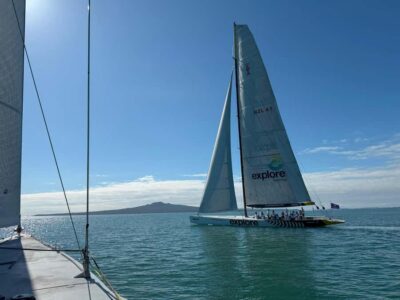
Stop-by-stop: Viaduct Harbour, Auckland Harbour Bridge, and the island viewpoints
This is a “see the coast and then the water,” not a single-location watch. The itinerary is built around cruising past major landmarks and islands that ring the Hauraki Gulf.
Stop 1: New Zealand Maritime Museum (your meeting point)
This is where you meet the crew before boarding. It is also a good place to take a breath and get your gear sorted, since once you’re on the water the focus shifts quickly to scanning and listening.
Stop 2: Viaduct Harbour (the downtown launch scene)
Viaduct Harbour gives you an easy, central start. You’ll feel the shift from city noise to a marine environment, and you can usually get your bearings fast, including where you’ll line up once the boat starts moving.
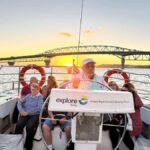
Stop 3: Auckland Harbour Bridge (a visual marker as you head out)
Passing the Harbour Bridge works like a moving checklist item. You’re not just heading out randomly. The bridge is your reminder that you’re leaving downtown behind and entering the real viewing zone.
Stop 4: Rangitoto Island (the big volcanic backdrop)
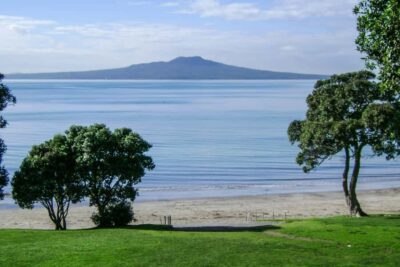
Rangitoto is one of those natural landmarks that instantly makes the trip feel special. Even if you never see a whale, the island scenery helps you enjoy the ride. It also gives you a sense of scale for how extensive the surrounding marine habitat is.
Stop 5: Waitematā Harbour (transition water)
This is a cruising connector, a stretch that helps set up where the crew can start looking in earnest. Expect more scanning here, because birds and small activity can be an early clue for where larger mammals might appear.
Stop 6: Hauraki Gulf (the main action zone)
This is the big portion of the trip, where you’re most likely to spot whales, dolphins, seals, and seabirds. The crew uses the time here to follow sightings and research leads.
Stop 7: Auckland Whale and Dolphin Safari (your viewing focus)
This stop is basically the tour’s name in motion. It’s where the guides and scientists steer you toward the most promising water and keep your attention on what to look for.
Stops 8 to 10: Motuihe Island, Motutapu Island, Tiritiri Matangi Island
These islands add two things: scenery and habitat variety. When you move around island edges, you change the water dynamics and the kinds of birds you might see. Even when you are focused on mammals, these island passes often help break the monotony of long straight-line scanning.
Stop 11: North Head Historic Reserve (the return viewpoint)
North Head brings you back toward Auckland’s older coastal character. In a practical sense, it also signals that the cruise is nearing the end and you should use your remaining time to scan for birds and any last surfacing activity.
Onboard reality: where you stand, how you hear the scientists, and what to pack
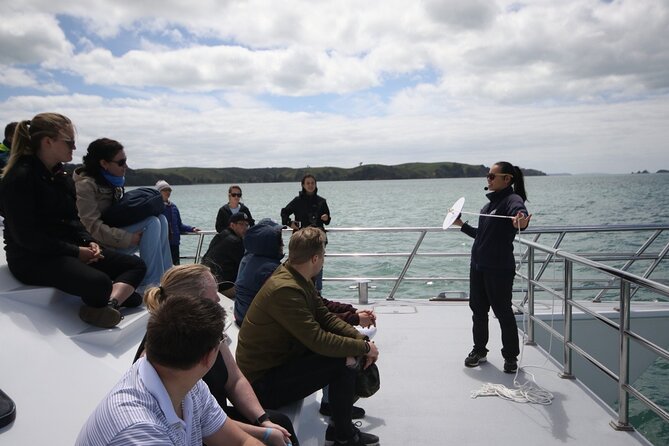
This is where people either love the experience or feel slightly frustrated. The difference comes down to where you position yourself and how you’re ready for weather.
The best photo and viewing spots
When dolphins approach, the front deck tends to become the action zone. If you want the clearest view of animals moving toward and around the boat, you’ll likely end up there at times. The tradeoff is crowding, especially when the boat is full. You can improve your odds by:
- Going to the front deck for the short bursts of activity, then rotating out to rest
- Being willing to move so others can get the same moments
Some feedback also notes the boat can feel crowded in busy periods, especially if weather sends people inside. So if you hate tight seating, aim for calmer weather days when possible.
Listening to the commentary
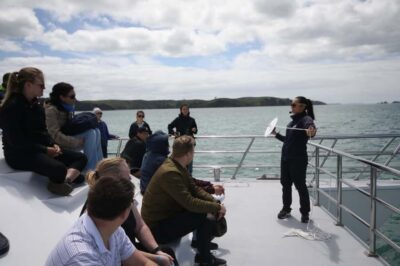
The tour includes expert commentary from marine research scientists, plus guiding facts about what you’re seeing. This is one of the most praised parts of the trip because it turns wildlife spotting into understanding.
Still, sound can be an issue if microphones are low. If you really want to catch every detail, I’d watch for the times when the crew speaks and move closer when possible, instead of staying fixed in one seat.
What to bring
Based on the practical guidance given for this tour, pack:
- Warm layers and weatherproof gear
- A sun hat with chin strap, sunscreen, and sunglasses
- Camera, and ideally binoculars
- Flat-soled shoes for stable footing
Also, plan for wind. Even when it looks calm, sea breeze can make layers matter.
Price and value: $135.91 for a research-driven safari, not just a sightseeing boat
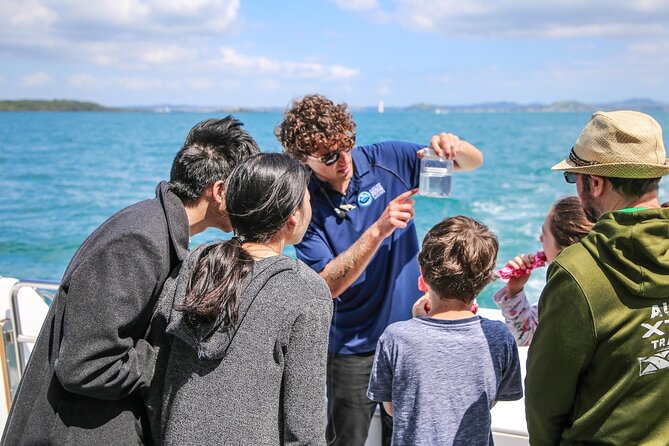
At $135.91 per person, this is not a budget activity. You are paying for:
- A longer half-day format (about 4.5 hours)
- A larger catamaran with space to view from multiple angles
- Onboard marine research scientists and expert commentary
- A conservation angle, because every ticket contributes directly to Marine Mammal Conservation
That last point changes the math a bit. If you love wildlife, it’s easier to justify the cost when you know your ticket supports conservation rather than just fuel and staff time. The tour also includes a meaningful satisfaction safety net. If you do not see any marine mammals, you can go again on another day at no extra charge. That reduces the chance you feel like you paid for empty water.
Food and drinks are not included, but you can purchase them onboard. If you want a snack during the cruise, this matters because it lets you stay on task without having to pack a full picnic for a moving, weather-sensitive outing.
Who this suits best (and who should adjust expectations)
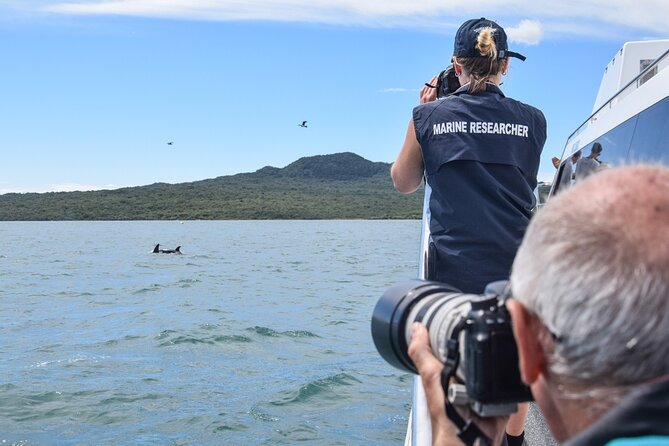
This eco safari fits best if you:
- Want a structured whale and dolphin watching trip with real science talk onboard
- Like the idea of spotting seabirds too, not only mammals
- Are comfortable spending a big chunk of time scanning the water and rotating viewpoints
It may feel less perfect if you:
- Are expecting a guaranteed whale sighting every time. You will not get that promise here, and the wild is wild.
- Hate crowding. In peak busy periods, the boat can run full, and everyone wants the same photo positions.
- Struggle with less-than-ideal audio. If you rely on hearing every detail, be ready to shift closer to the crew during commentary.
Final thoughts: should you book this Auckland whale and dolphin eco safari?
If your main goal is to get out on the water from central Auckland and spend a half-day with marine research scientists while searching for dolphins and other wildlife, I think this is a strong pick. The combination of the Hauraki Gulf setting, the specific species targets, and the conservation-linked ticket value makes the price easier to swallow.
Book it if you can handle the reality that whales may be elusive. Book it even more confidently if you’re flexible about the day and you’re willing to rotate for the best viewing moments. And if you want the most reliable payoff, prioritize a mindset of dolphins first, whales if the day cooperates, plus seabirds and penguins as added bonuses.
FAQ
How long is the Auckland Dolphin and Whale Watching Eco-Safari Cruise?
It runs for about 4 hours 30 minutes.
Where do I meet for the tour?
You meet at the Eastern Viaduct, Auckland Central, at the New Zealand Maritime Museum in Viaduct Harbour, and the tour ends back at the same meeting point.
What marine life can I expect to see?
The tour focuses on whales, dolphins, seals, and rare seabirds. It also specifically mentions bottlenose dolphins, Bryde’s whales, and the possibility of blue penguins.
Are sightings guaranteed?
No. Wildlife viewings cannot be guaranteed. Dolphins and whales are often swimming around these waters, and if you do not see any marine mammals, you can go again another day at no extra charge.
Is food included in the price?
No. Food and drinks are not included, but they are available to purchase onboard.
What should I bring for the cruise?
Bring warm layers and weatherproof gear, a sun hat, sunscreen, sunglasses, a camera, and binoculars. Flat-soled shoes are recommended. Weather can be unpredictable, so plan for wind and changing conditions.
More Boats Off the Viaduct


More Tour Reviews in Auckland




Wildlife Within Reach of Auckland
Newest Auckland tours to reach the site
- Waiheke Island: Gulf Marine Park Sailing Adventure & Lunch
★ 5.0 · 4 reviews - WAITOMO – Twin Caves Discovery – Private Day Tour from Auckland
★ 5.0 · 3 reviews - Volcanic Rotorua Day Trip from Auckland
★ 5.0 · 4 reviews - Waitangi Treaty Ground Day Trip Private Transport From Auckland
★ 5.0 · 3 reviews - Waitomo Caves Private Tour from Auckland
★ 3.5 · 3 reviews - Twilight Wild Kiwi Bird Encounter Private Tour
★ 5.0 · 3 reviews
Auckland Nature & Kiwi Spotting, compared.
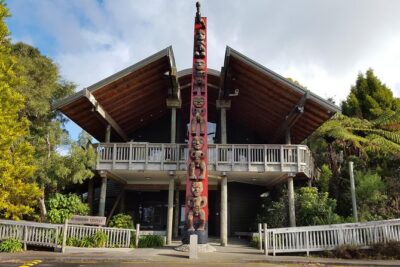 ★ 5.0Afternoon Piha Beach and Rainforest Tour from AucklandFrom $124807 reviews
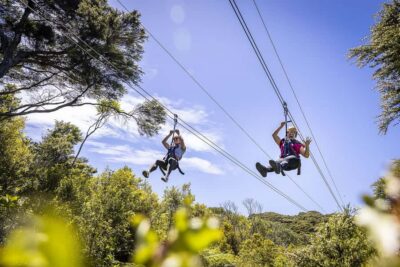 ★ 4.9Waiheke Island: Zipline and Native Forest Adventure TripFrom $89695 reviews
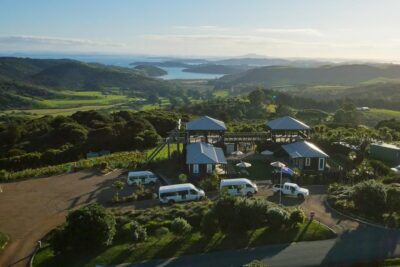 ★ 5.0Waiheke Island: Zipline And Forest WalkFrom $92483 reviews
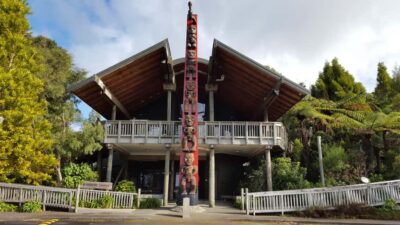 ★ 4.8Waitakere Ranges Wilderness Experience Tour from AucklandFrom $119340 reviews
 ★ 5.0Coast and Rainforest Eco-Tour from Auckland with Picnic LunchFrom $192264 reviews
 ★ 5.0Piha Waitakere Rainforest Wine Tour from AucklandFrom $195201 reviews
 ★ 5.0Auckland City Highlights, Afternoon Piha Beach & Rainforest TourFrom $183134 reviews
 ★ 4.9Auckland City, Beaches & Rainforest Premium Small Group TourFrom $176111 reviews
Where else this tour turns up