
Review · AUCKLAND WALKING TOURS
Auckland Walking Tour: Small-Group History & Culture Experience
Auckland has a way of rewarding slow steps, and this tour keeps you moving through the city’s big stories. You get a guided walk that links volcanic origins, Māori legends, and major historic moments, with practical stops in the CBD. Two things I really liked were the small group size, which makes it easy to ask questions, and Paula’s clear, human stories about living in New Zealand. One possible drawback: it is still a walking tour, so if you prefer long rides or lots of sit-down time, you may want to pair it with another activity the same day.
I also like how the route mixes famous sights with the kind of details you normally miss unless someone points them out. You’ll see the Sky Tower area from close by, spend time in Albert Park, then connect through Britomart and down toward Queens Wharf for harbour views. At the end, you finish on 143 Quay Street, where the water and skyline do the hard work for you. If the weather is rough, plan for a bit of “New Zealand wind” and bring layers.
Key Highlights I’d Actually Plan My Day Around
- Max 6 people means you get a real conversation with your guide, not a lecture.
- Paula-led storytelling includes personal life notes, not just dates and maps.
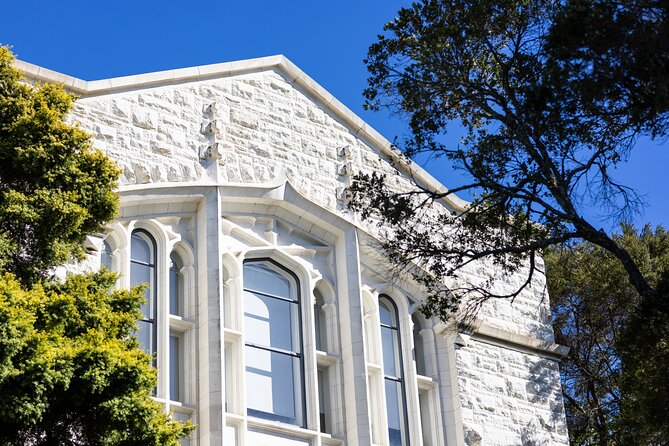
- Albert Park and the University of Auckland Clock Tower add beautiful landmarks to the history.
- Britomart public art breaks up the walk with modern Auckland right in the middle of old streets.
- Harbour finish at Queens Wharf gives you a strong end point with views and easy nearby options for food.
- Included refreshment break helps you reset and keep a comfortable pace.
Other guided walks through the centre
- Auckland: Flavours of the City Walking Food Tour★ 4.8 · 202 reviews
- Auckland Small-Group Walking Tour with Treats★ 5.0 · 182 reviews
- Auckland Food Walking Tour★ 5.0 · 73 reviews
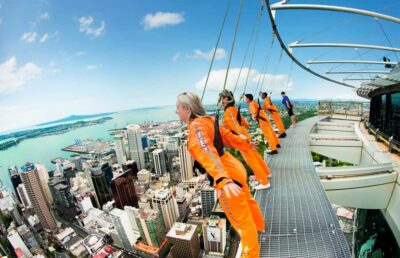
- Auckland: Sky Tower SkyWalk – 192m High Edge Walk★ 4.8 · 47 reviews
Why This Auckland Walking Tour Feels Personal (Not Just Scenic)
If you only have a day or two in Auckland, the city can feel spread out and a bit confusing. This walk solves that problem by giving you a structured route through the central places that shape the city’s identity. The theme is time, moving from the area’s volcanic foundation to Māori legends and key events, then landing in the waterfront zone where Auckland shows off.
The small-group setup is a big deal. With up to 6 travelers, you are not jostled around stops, and you can actually hear what matters. It also helps your guide adjust the pace. In the feedback I saw, Paula takes breaks when people need them, which I think is the right call for a 3-hour walk.
Paula’s style also matters. She is described as extremely informative, but not in a stiff, textbook way. You get personal stories about living in New Zealand, and she shares tips you can use right away after the tour. That combination makes the history feel usable, not just interesting.
From Khartoum Place Into the City’s First Big Story Stops
The tour starts at Khartoum Place, Auckland Central, close to the Hilton Hotel area. That matters because it puts you in the core of Auckland’s CBD, where you can easily connect to other plans before or after. From there, the walk builds momentum fast. You’re not stuck searching for landmarks, and you get the sense that the guide wants you oriented quickly.
A lot of walking tours either cram too much or skim past the places that become memories later. This one threads your route through a handful of distinct areas so each section feels like a chapter. You’re told what to look at, and then you move on while the details are still fresh.
Also, you’ll have a mobile ticket. That helps if you do not want to fuss with printed paperwork while you’re already out walking.
Albert Park: A Real Pause Where You Can Reboot Your Attention
One of the first stops is Albert Park, with time to wind your way through it. Even though the visit is brief, it works because the park gives you a reset. In a walking tour, that breathing space is not a luxury. It helps you keep track of the larger stories the guide is connecting to what you see around you.
Parks are also useful in an Auckland context because they help you understand the city as a lived place, not only an attraction map. You get scenery that changes the mood of the walk from street-level hard edges to something softer.
Practical note: because Albert Park is outdoors, wear shoes that can handle city pavement. If the day is windy, a light layer helps. You’ll appreciate comfort now more than you will later.
More of the story behind the streets


University of Auckland Grounds and the Clock Tower Moment
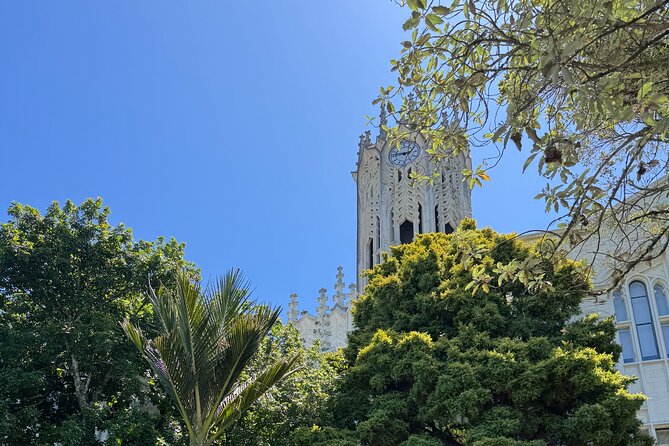
Next you head into the University of Auckland area for a walk through the grounds and a look at the Clock Tower. This stop is short, but it’s built for impact. A clock tower is one of those landmarks that immediately gives you a “you are here” feeling, and it also signals how the city’s present connects to its planning and institutions.
What makes this kind of stop valuable is the contrast. You’re not only seeing monuments and memorials. You’re also seeing how Auckland’s major public spaces organize people and movement. Universities are a good place to learn that lesson because they function like small cities within the city.
If you like architecture, pay attention to the way the grounds frame views and sightlines. Even in a brief stop, you can get a stronger sense of direction for the rest of the walk.
Old Government House: When Streets Explain the Past
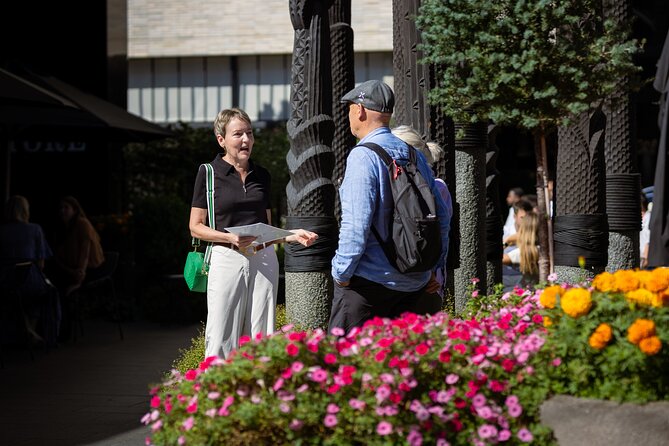
Then comes a quick stop at Old Government House. Brief is the key word here, about 5 minutes, but the purpose is clear. This is the kind of place where you can anchor later stories about governance, settlement, and the way authority shaped everyday life.
A potential drawback of short stops is you might feel like you want more time to soak it in. If that is your instinct, balance the tour with some independent reading later. But even a quick stop can be enough if your guide connects what you’re seeing to what came before and what comes next on the route.
Emily Place Reserve and the Value of Small Stops
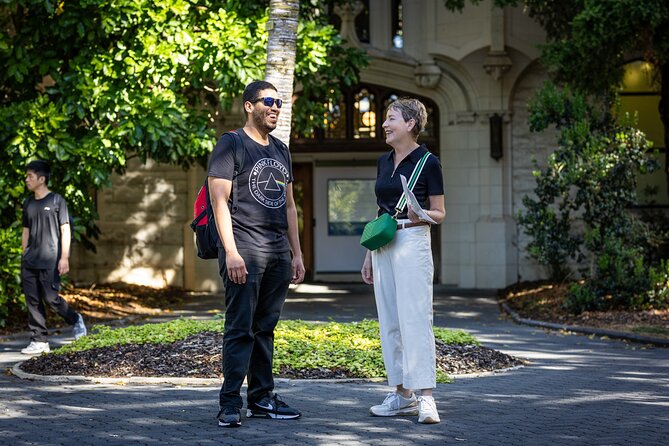
Next you visit Emily Place Reserve, with that stop marked as included. It’s a smaller, quieter breather. The tour keeps moving, but this type of stop gives you a chance to see how the city holds smaller green spaces inside a busy central area.
I like reserve stops because they make the walk feel less like a checklist. They also help you slow down for a moment and look around, which is how you notice public art and street details as you go.
If you are someone who enjoys photo pauses and people-watching, this is a good part of the tour to let your eyes wander.
Lord Freyberg Statue: A Quick Lift Into National Memory
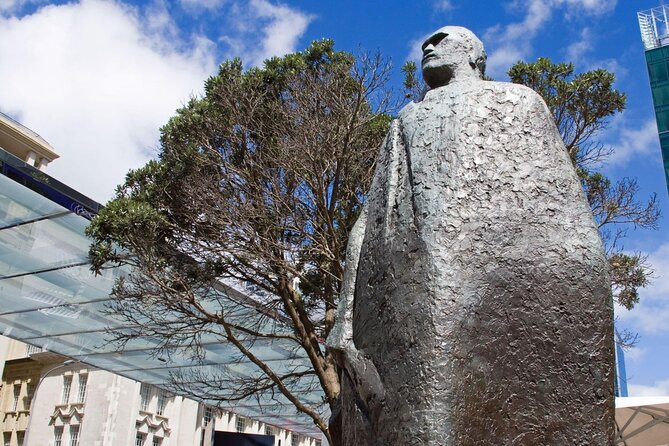
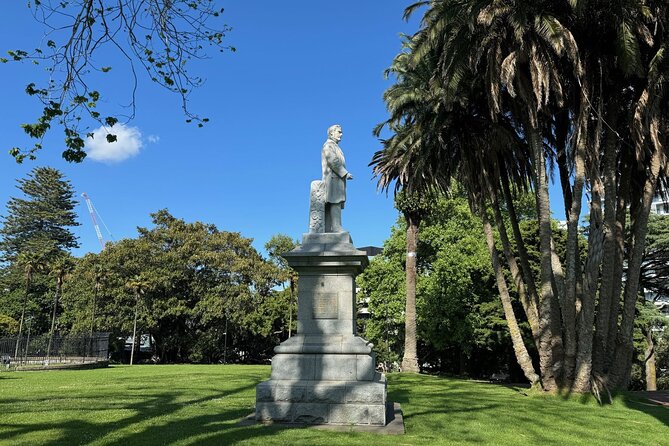
You then see a stop at the Lord Freyberg statue. At about 5 minutes, it is not a long interpretive moment, but statues can do a lot in a short time. They point to which figures a society chooses to remember, and that shapes how you understand the story your guide is telling.
If you want maximum context, ask a question right there. This is where the small-group format pays off. You can also ask what connection your guide is emphasizing to keep the statue from being just another photo.
Getting a Sense of the Sky Tower Area Without the Tour Trap
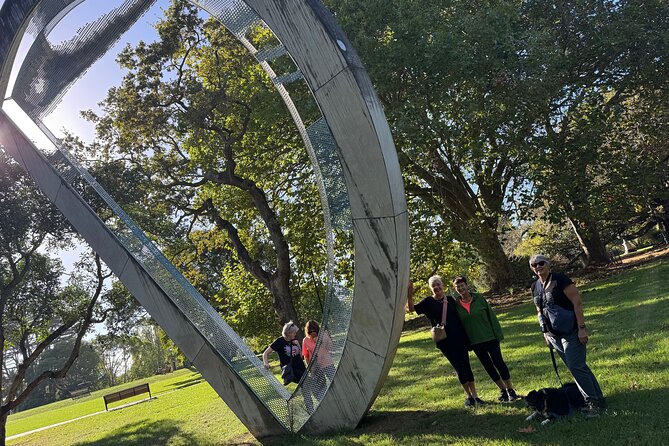
There is also a segment where you see the Sky Tower at a short distance. That matters because it gives you a visual anchor for the middle of Auckland’s modern skyline. You are not stuck waiting for a ticketed attraction, and you still get the sense of the city’s scale.
This kind of approach is smart for time. The tour keeps its core goal, linking history and culture across central Auckland, while still letting the famous landmarks show up in context.
Britomart and Public Art: Modern Auckland Meets the Old Streets
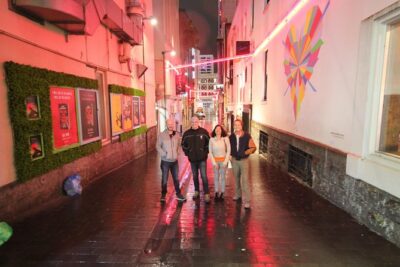
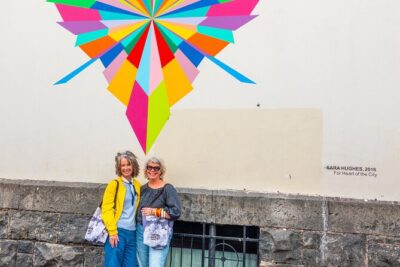
After that, you reach Britomart, where you get time for public art displays. This is one of the most interesting transitions on the route because Britomart is both a transport hub and a cultural corridor.
Public art is one of those things that makes a walking tour feel alive. You are not only reading the city through buildings, you are reading it through messages, style, and the way artists respond to place. With time here, you can actually stop, look, and understand why something is placed where it is.
I also like that this stop keeps you in motion. You get energy from the city around you, which helps as the walk moves toward the waterfront.
Queens Wharf Views: Finishing Where the City Opens Up
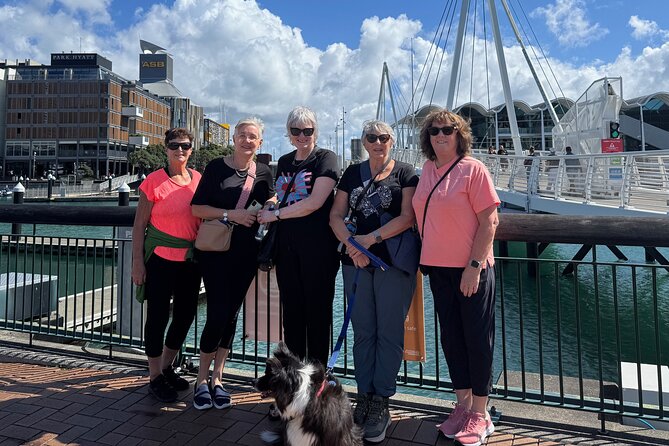
The tour ends at the waterfront area with time at Queens Wharf, including views of Waitemata Harbour. Your final stop timing supports the best kind of walking-tours ending: you finish at a place that already feels rewarding even before you look closer.
The end point is 143 Quay Street, which is practical. It puts you near a cluster of places to eat and stroll, so you do not have to reorganize your day around getting back. You can linger, grab a meal, and still feel like you used the afternoon well.
If you are planning the rest of your day, this is where your guide’s advice can help. In the feedback, Paula shares strong post-tour recommendations, including where to eat, drink, and shop. That kind of local help is what turns a guided walk into a plan.
How the Tour Makes History Feel Current
What I think makes this tour work is that it keeps history connected to physical space. You are not just hearing about events. You’re moving through streets and parks that help explain why Auckland looks the way it does today.
The overview theme includes Māori legends, pioneering people, and key historical moments. That matters because it signals you are not getting only colonial-era focus. And because the walk includes memorials and institutional landmarks, you get a layered picture rather than a single storyline.
Paula’s personal storytelling is part of the same reason it feels grounded. When your guide talks about living in New Zealand, the city shifts from “place you pass through” to “place people actually inhabit.” That helps you remember details later, because you understand how locals experience the same environment.
Sky Tower, Maritime Museum, and the Viaduct Feel Built Into the Route
Even when some of these sights are at a short distance or treated as part of the broader waterfront area, the tour’s emphasis stays consistent: Auckland’s harbor and central landmarks are part of the story. You’ll hear about iconic points like the Sky Tower, and the route also connects toward the zone associated with the Viaduct Harbour.
The tour overview also highlights an America’s Cup yacht and the New Zealand Maritime Museum as part of what you’ll encounter in the general area. If maritime culture and sailing history interest you, this is one of the better ways to frame it, because you are learning the city behind the waterfront before you go deeper on your own.
Price and Group Size: Is $73.23 for 3 Hours Good Value?
At $73.23 per person for about 3 hours, you should judge value by what you get for your time. You are paying for a guided route through central Auckland with interpretation, plus a small-group setting capped at 6 travelers. That group size is not a luxury detail. It is what makes the tour feel more like a conversation and less like a march.
The format also includes a break for refreshments and insider tips for where to eat, drink, and shop. That can easily offset the cost if you use the recommendations. After all, the hardest part of visiting a new city is figuring out where to spend your limited time and money.
Also, many of the stops are free admission, with only Emily Place Reserve noted as included. That suggests your money is mostly going to the guide and the experience of linking all these places into a coherent walk, not to a series of paid attractions.
If you are comparing tours, you might ask yourself one question: do you want a route where you stand in line for sights, or a guided walk where someone helps you understand what you are seeing? This one is clearly built for the second goal.
Who This Tour Suits Best
This tour is a strong match if you:
- Want a first-time orientation to Auckland’s central history and culture
- Prefer small-group walking with room to ask questions
- Like a guide who shares personal context, not only official facts
- Want an easy path from meeting point to waterfront without complicated logistics
It may be less ideal if you:
- Do not like walking for 3 hours, even with breaks
- Want long time inside attractions rather than short, meaningful stops
- Are hoping for a purely indoor experience
Practical Tips for Getting the Most Out of Your Walk
Bring shoes you can trust on pavement. The itinerary is mostly outdoors and city sidewalks.
Dress in layers. Auckland weather can shift fast, and you’ll spend enough time outside that being prepared keeps the tour comfortable.
Arrive early enough to settle in at Khartoum Place. When you start calmly, you start listening better.
During the walk, ask questions when you feel curious. With a max group size of 6, you can usually get a direct answer from Paula rather than waiting for a break in the group.
After the tour, use the recommendations you get. The feedback I saw specifically calls out Paula’s website tips for things to do next, plus great places to eat. That’s the kind of follow-through that turns a good tour into a useful one.
Should You Book This Auckland Walking Tour?
I’d book this if you want an efficient, story-driven way to understand central Auckland. The small group size, Paula’s clear storytelling, and the guided pacing with comfort breaks make it feel well run. Ending at Queens Wharf is also a smart payoff, because you finish with harbour views and an easy transition into your next meal or stroll.
Skip it only if you dislike walking or you want lots of time inside specific attractions. In that case, you might prefer a more transit-heavy or ticket-focused day.
If you are traveling on your own or with friends and you want a day that feels both informative and practical, this is the sort of tour that helps you see the city faster and remember it longer.
FAQ
How long is the Auckland Walking Tour?
The tour duration is approximately 3 hours.
How much does the tour cost?
The price is $73.23 per person.
What is the group size limit?
The tour has a maximum of 6 travelers.
Where does the tour start and end?
It starts at Khartoum Place, Auckland Central, Auckland 1010, and ends at 143 Quay Street, Auckland Central, Auckland 1010.
Is a mobile ticket used?
Yes, the experience uses a mobile ticket.
Is there a place for refreshments during the tour?
Yes, the tour includes a break for refreshments.
What stops and areas are included?
You’ll visit places such as Albert Park, the University of Auckland (Clock Tower), Old Government House, Emily Place Reserve, the Lord Freyberg statue, Britomart, Queens Wharf, and you also see the Sky Tower at a short distance. The tour also includes viewpoints and landmarks such as the Viaduct Harbour area, plus the New Zealand Maritime Museum and an America’s Cup Yacht.
Is cancellation free?
Free cancellation is available. You can cancel up to 24 hours in advance for a full refund.
Is the tour suitable for most people, and can service animals join?
Most travelers can participate, and service animals are allowed.
More Tours in Auckland





More Tour Reviews in Auckland





On Foot Through the Centre





Newest Auckland tours to reach the site
- Waiheke Island: Gulf Marine Park Sailing Adventure & Lunch
★ 5.0 · 4 reviews - WAITOMO – Twin Caves Discovery – Private Day Tour from Auckland
★ 5.0 · 3 reviews - Volcanic Rotorua Day Trip from Auckland
★ 5.0 · 4 reviews - Waitangi Treaty Ground Day Trip Private Transport From Auckland
★ 5.0 · 3 reviews - Waitomo Caves Private Tour from Auckland
★ 3.5 · 3 reviews - Twilight Wild Kiwi Bird Encounter Private Tour
★ 5.0 · 3 reviews
Auckland Walking Tours, compared.
 ★ 5.0Waiheke Island: Zipline And Forest WalkFrom $92483 reviews
 ★ 5.0Flavours of our City Food WalkFrom $127371 reviews
 ★ 4.8Flavours of the City Walking Food TourFrom $122202 reviews
 ★ 5.0Auckland Small-Group Walking Tour with TreatsFrom $67182 reviews
 ★ 5.0Auckland Food Walking TourFrom $13573 reviews
 ★ 5.0Waiheke Island Vineyards and Bush WalkFrom $27948 reviews
 ★ 5.0Waiheke Island Bush & Beach WalkFrom $26048 reviews
 ★ 4.8Sky Tower SkyWalk – 192m High Edge WalkFrom $12847 reviews
Where else this tour turns up